
Attention Training: How to Build Superhero Concentration
Real-Time Feedback as Your Personal Focus Coach
Many people think meditation is passive - sit down, close your eyes, and wait for something to happen. In practice it is nothing like that. Meditation is active mental training. Think of it as a "gym for the mind." If you want to focus at work, stay calm in a crisis, or simply be present in the moment - you need to train that muscle.
This guide walks you through how to do it, step by step - just enough to get started.
Choosing a comfortable place (The Setup)
Meditation does not require a robe or a Himalayan cave. It requires only one thing: a decision.
Time: start with just 3 minutes. Like level 1 in a game - we are not overloading you.
Place: somewhere quiet where you will not get notifications for the next 3 minutes.
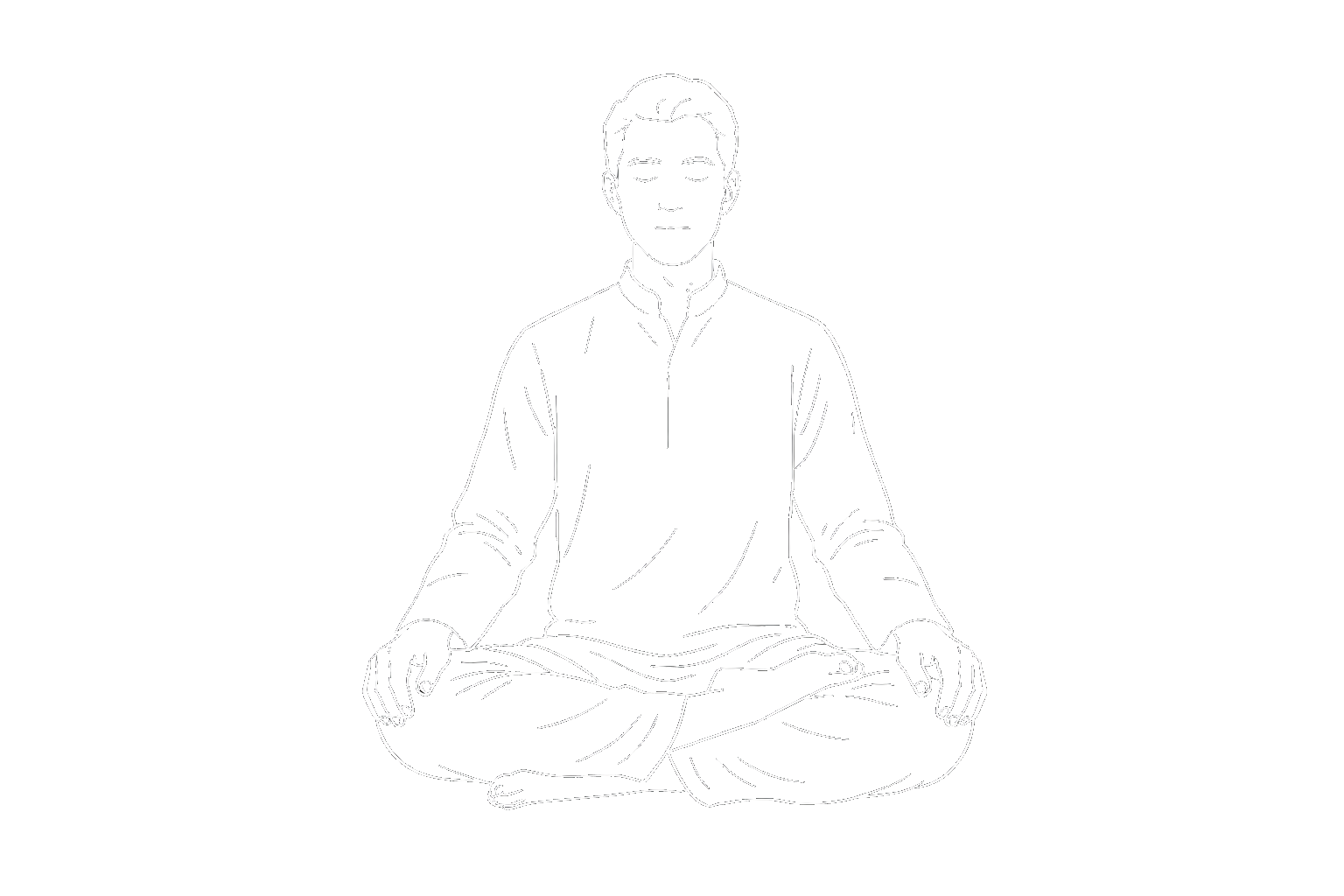
Posture: sit comfortably. The goal is to stay alert, not to fall asleep. An upright back helps the brain stay in focus mode.
The core task: the breath anchor
This is where the real work begins. Your task is simple (but challenging): follow the breath.
Do not try to change it. Simply feel the air coming in and going out. The breath is your "anchor." As long as you are with it, you are still in the game.
(Further reading: what is a breath anchor)
The real game: the moment thoughts wander
Here is the big secret of mindfulness and meditation: meditation does not happen only when you are focused on the breath. It also happens in the moment you notice you stopped being focused.
When your mind drifts to tomorrow's tasks or what you ate for lunch - congratulations! The moment you noticed that, you completed one "rep" in the mental gym.
Instead of getting angry at yourself, give yourself a checkmark and gently return to the breath. That is the real power-up.
(Further reading: mind-wandering is an opportunity, not failure)
Using technology as a personal coach
Sometimes our minds are so noisy that we do not even notice our thoughts have wandered. That is where Nowvigation helps.
With real-time feedback (sound and vibration), the app acts as a "gatekeeper." When focus slips, the system gives you a small cue - a friendly reminder to return to the anchor. That turns practice from a confusing experience into a game with clear rules and immediate feedback.
What do you do with this afterward?
The goal of this guide is not to turn you into meditation experts. The goal is to take this focus ability into real life:
Listen to a friend without your thoughts wandering.
Finish a work task in half the time.
Feel calm even when the world around you is noisy.

What attention training actually is
Meditation is a gym for attention. Every time you notice that your thoughts have wandered and bring your focus back to the breath - that is one rep. Just like in a physical gym, more reps mean a stronger muscle. The practice does not need to feel quiet or successful - you just need to keep returning.
(Further reading: how to measure progress correctly)
Recognizing mind-wandering
Mind-wandering is not the problem - it is an inseparable part of the practice. The moment you notice that your thoughts have drifted is exactly the important moment. It is not failure, it is a sign the muscle is working. Every time you catch a drift is a success, even if it happens twenty times in one session.
Real-time feedback in Nowvigation
Thumb movement on the screen creates a direct link between body and attention. The moment the thumb stops moving, the app knows attention has wandered and brings you back immediately - without leaving long minutes of unaware mental wandering. That is the difference between practicing alone and practicing with a coach who is there at every moment.
Summary: your first step
Meditation is not magic - it is a skill. And like any skill, the only way to improve is to begin.
Want to try it?
Download Nowvigation, choose your first course, and start practicing today.