Chapter One
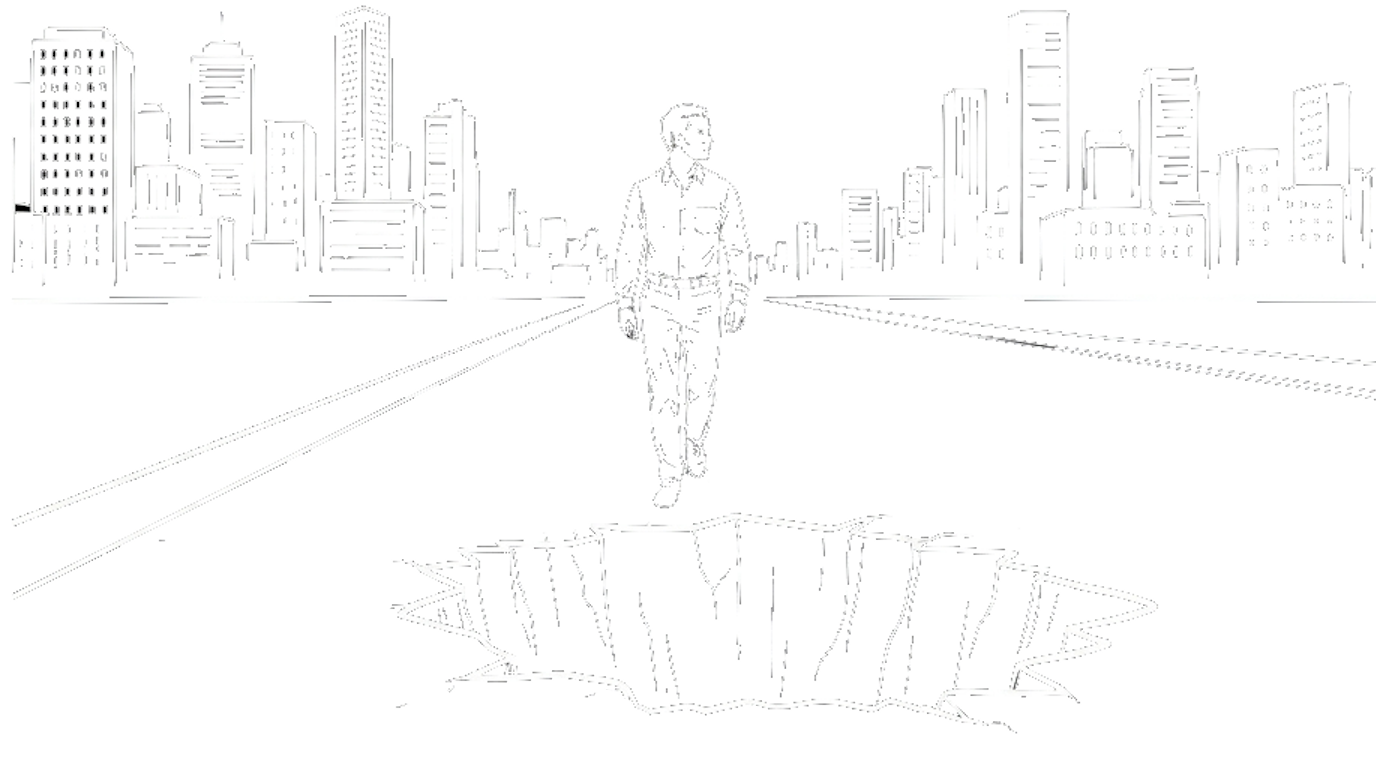
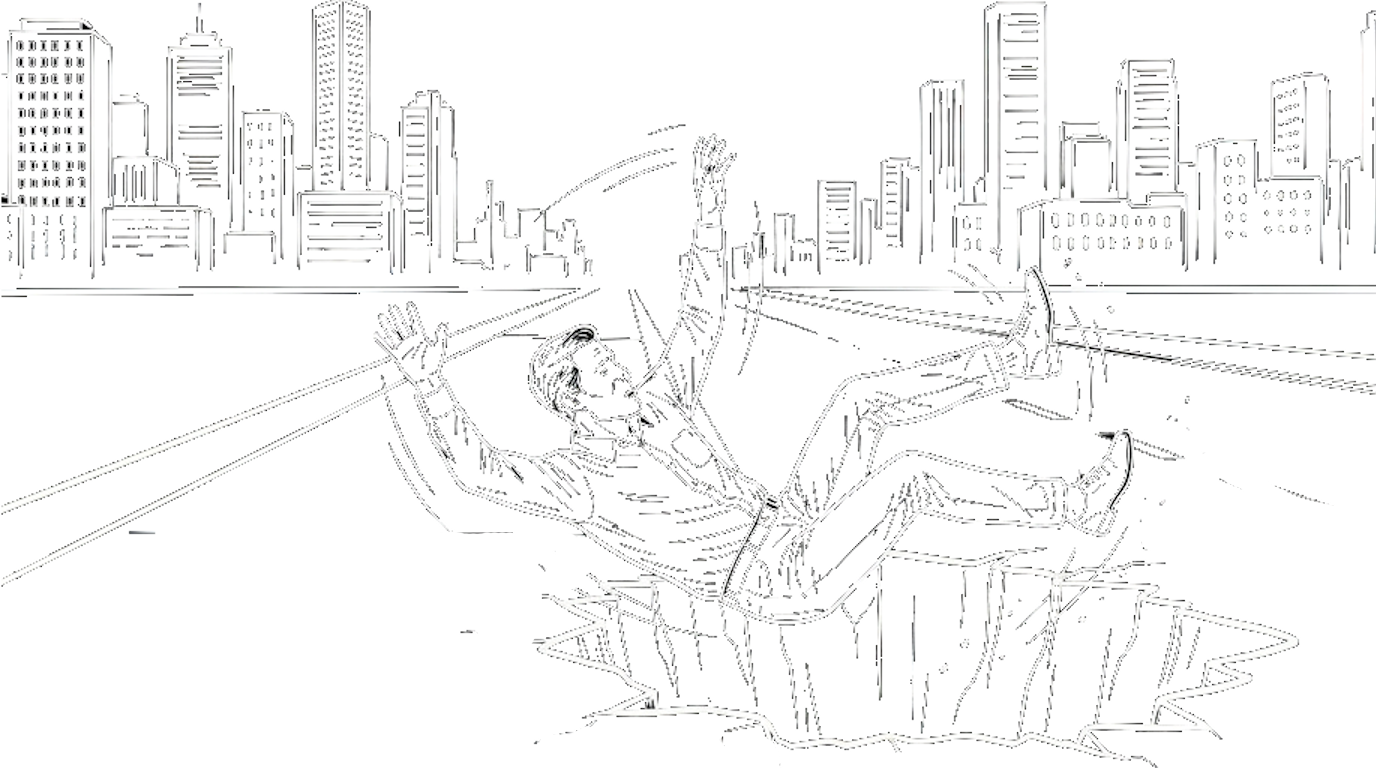
I walk down the street. There is a deep hole in the sidewalk. I fall in. I am lost... I am helpless. It takes forever to find my way out.

Nowvigation
Many people know this pattern: a guided session feels good, but ten minutes later the same argument, worry, or automatic reaction returns.
This is not personal failure. It is the limit of tools that depend on an external voice. Independent meditation builds an internal skill that stays available without headphones.
(Further reading: meditation in daily life)
By Portia Nelson
I walk down the street. There is a deep hole in the sidewalk. I fall in. I am lost... I am helpless. It takes forever to find my way out.
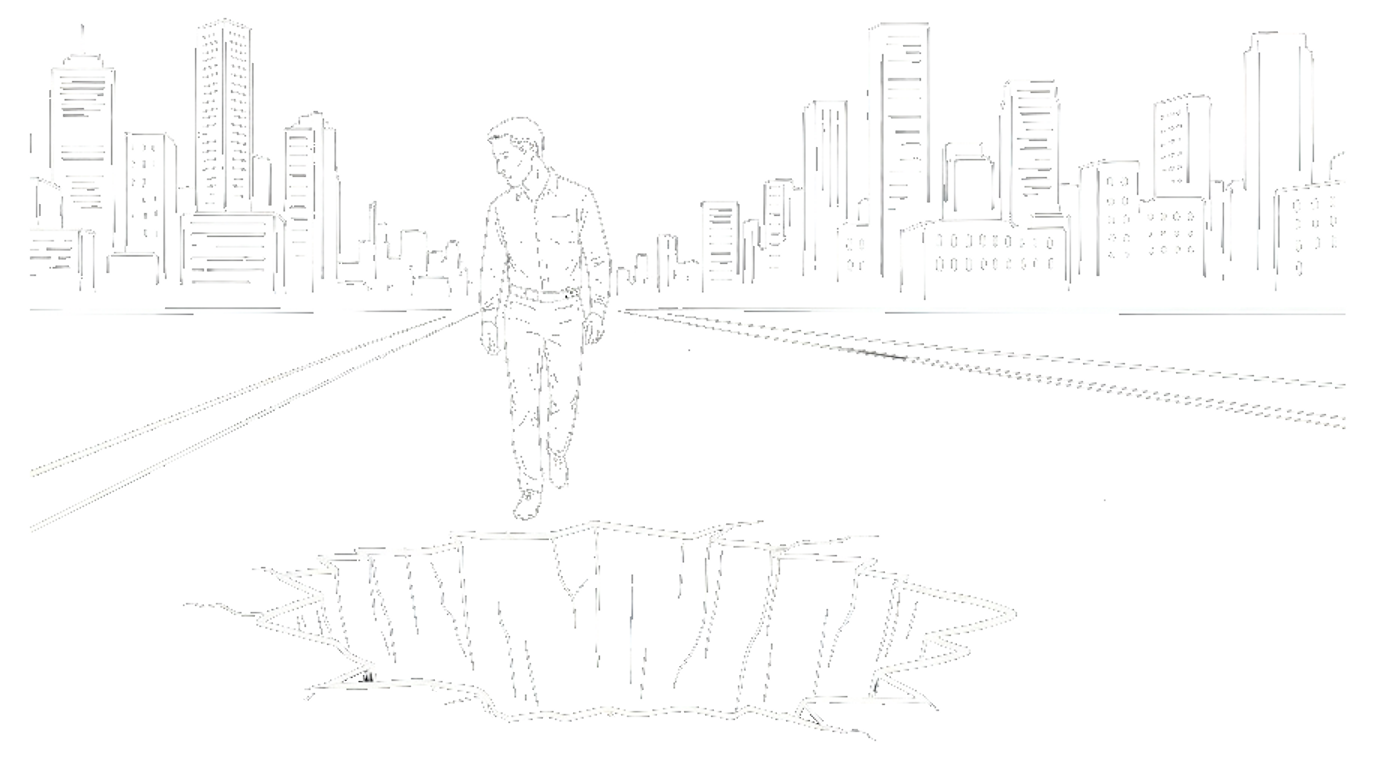
I walk down the same street. There is a deep hole in the sidewalk. I pretend I do not see it. I fall in again. I cannot believe I am in the same place again. But it is not my fault. It still takes a long time to get out.
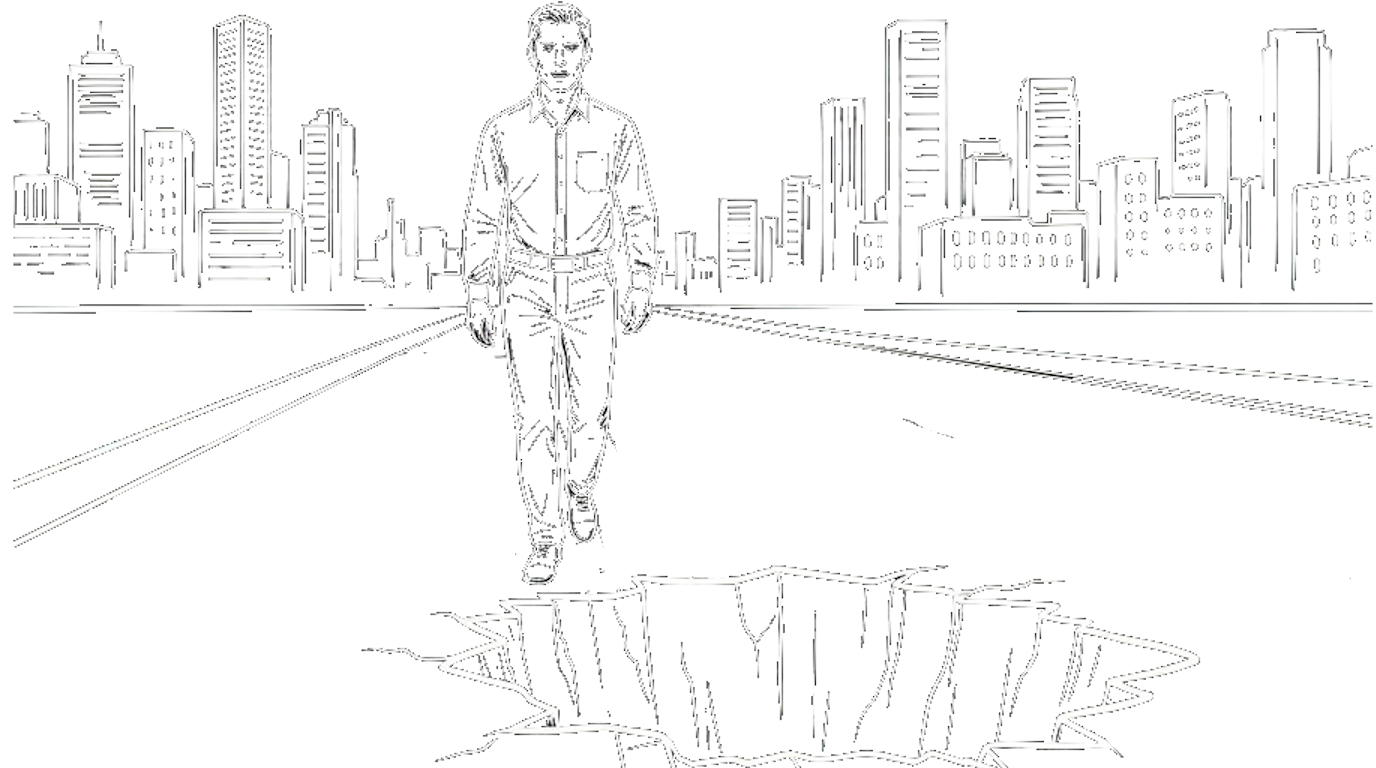
I walk down the same street. There is a deep hole in the sidewalk. I see it. I fall in anyway... it is a habit. My eyes are open. I know where I am. It is my fault. I get out immediately.
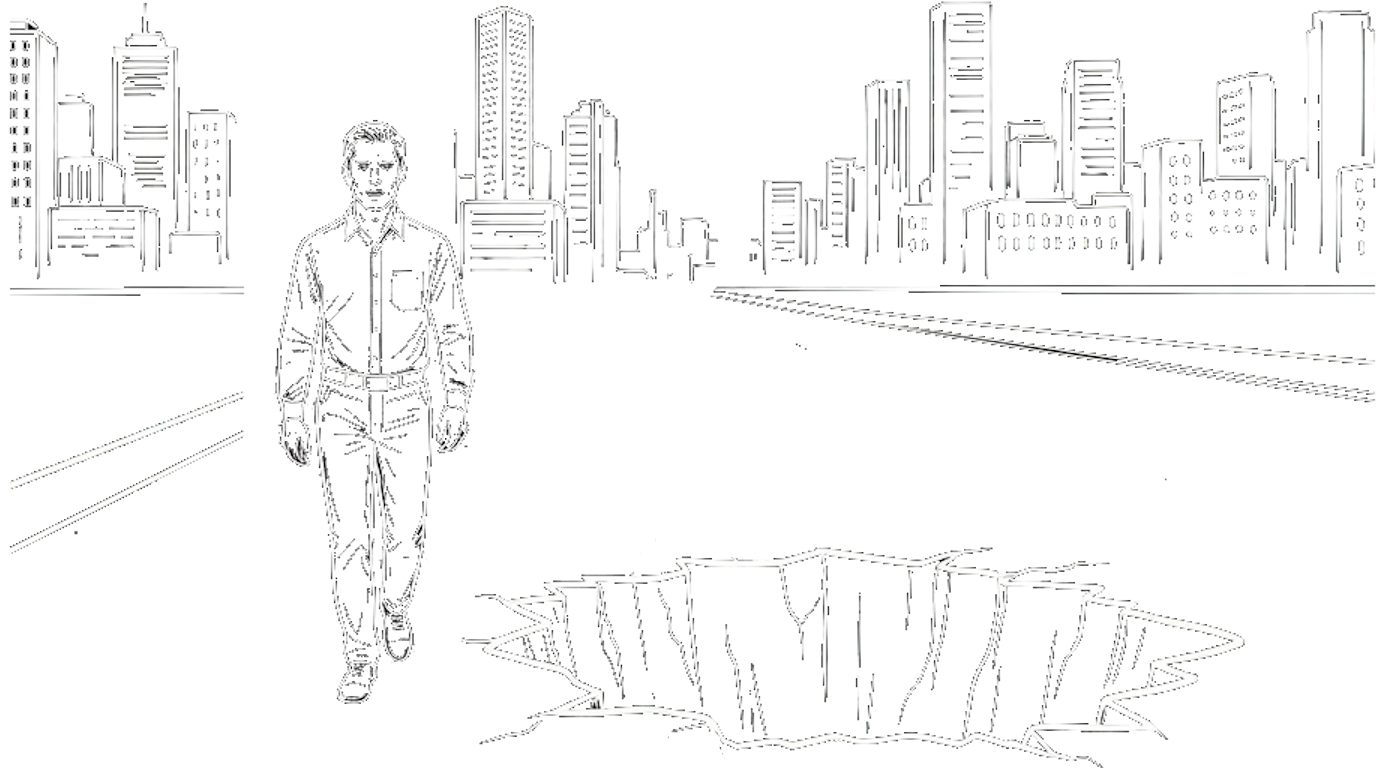
I walk down the same street. There is a deep hole in the sidewalk. I walk around it.
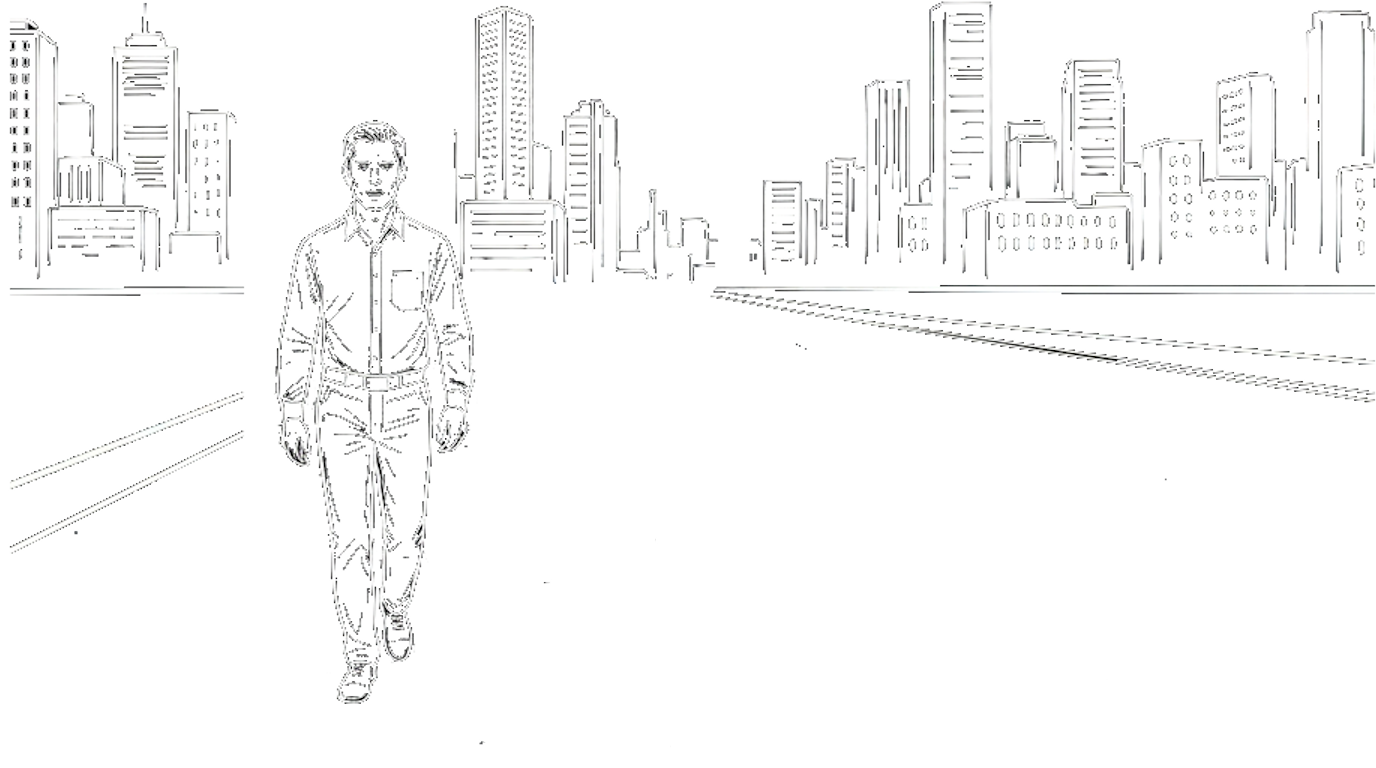
I walk down another street.
At first we fall without noticing. Then we notice and still fall. With consistent practice, we recover faster, walk around the hole, and eventually choose a different street.
(Further reading: mind-wandering is a training opportunity)
Guided meditation can calm you. Independent meditation can become a life skill that you use at work, in relationships, and under pressure.